

Environmental Markets & Execution in Asia
Helping resources, commodities and ideas
find market partnerships that can move forward.
From land, feedstock, energy assets and technology to carbon credits, certificates and well-defined purchasing needs, Steinlux helps assess market opportunities, set up project and transaction terms, and connect international resources with local execution in Asia.
Starting Points
Each party brings something different
and needs a different part of the work done.
A partnership may start from a commodity that is already tradable, or from nothing more than a site, a technology or one buyer's need. It takes a clear view of what is already in place and what is still missing to decide whether the next step is investing in development, finding partners or moving a transaction forward.
Holding Assets or Local Resources
Those with land, a stable feedstock supply, energy facilities or local partnerships want to evaluate development directions and commodity revenue, and whether to develop on their own or join a partnership.
Commodities in Hand or Projects in Development
Those holding certificates, carbon credits or future supply need to determine their use, find suitable buyers, and arrange sales, offtake or later delivery.
Bringing Technology & Expansion Goals
Those with an abatement technology, energy solution or service want to find use cases, partners and a first project in Asia, and then build a lasting channel.
Seeking Supply or Co-Development
Buyers, brands or partner organizations with a defined use and goals want to secure suitable supply, or take part in earlier-stage development and long-term results through project partnerships.
One partner can play several roles at once. The discussion starts from what this engagement needs to achieve, and supply, development, procurement and local resources are arranged as needed.
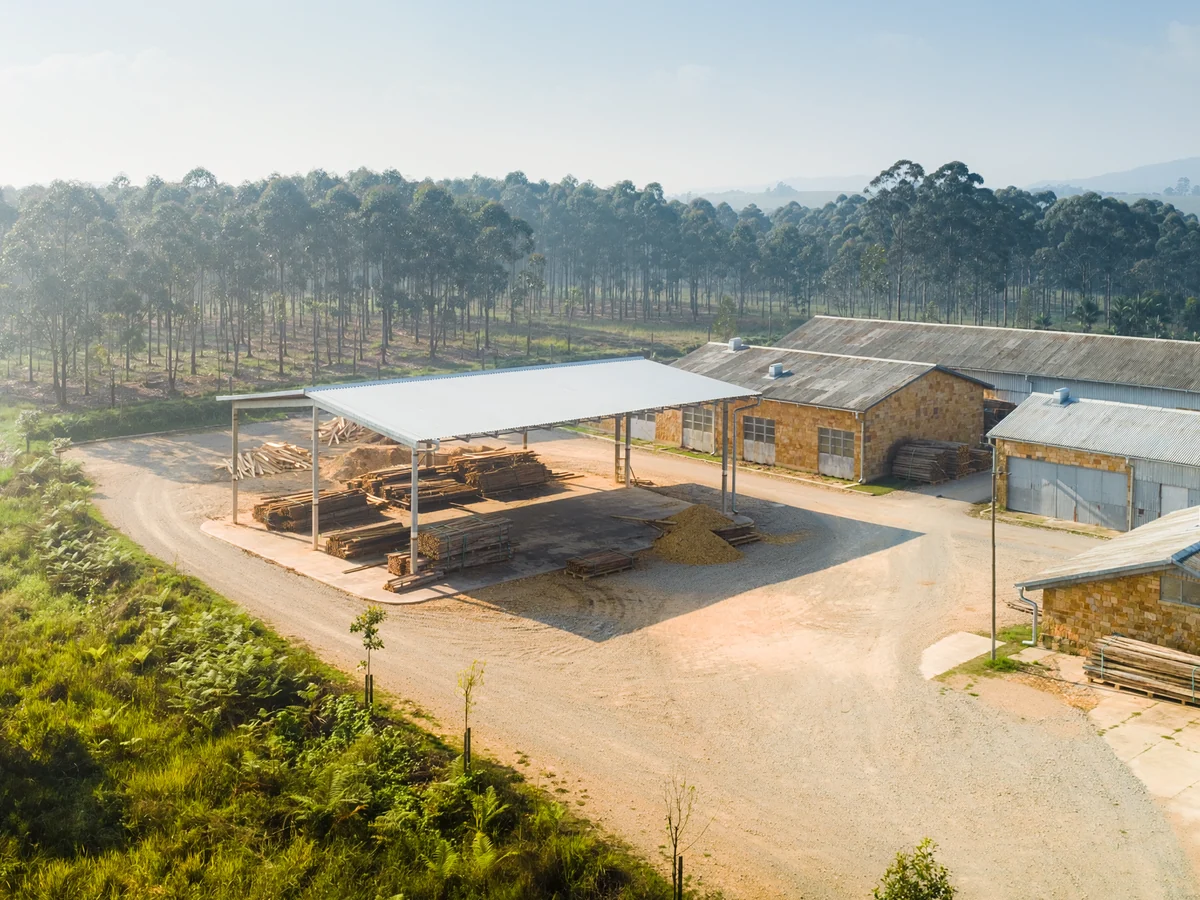
01 / Assess Opportunities & Commodities
Find the demand first,
then judge whether what you have can meet it.
Demand for carbon credits and environmental attribute certificates depends on the buyer's intended use, target market, time period and quality criteria. Opportunities for resources and technologies have to be weighed together with the site, feedstock, product or energy demand, and the environmental outcomes they could produce.
Steinlux helps match buyer requirements against supply data: which uses are viable, what evidence is missing, which partner resources are needed, and what is worth validating in the next phase.
Compliance allowances, offset credits and energy attributes each follow their own rules. Assessing a market also means distinguishing the rights that can be sold, the results that can be delivered, and how the buyer plans to use them.
While a Project Is Taking Shape
Bring resources, technology and buyers together
into a project that works.
Land, feedstock, equipment and local relationships each create different development conditions. A project needs to make clear how supply will be generated, where revenue will come from, and how investment, rights and responsibilities are shared.
An engagement can begin with an early commercial assessment and continue into technical and methodology assessment, assembling the partner team, buyer outreach and development management. Each stage needs enough evidence to justify the next round of investment.
Identify a Viable Revenue Mix
Clarify the buyers, costs and conditions for products, energy, treatment services and environmental commodities. Carbon credit revenue is assessed separately against the applicable methodology, project data and issuance requirements.
Compare Ways to Participate
Options include leading development, co-developing with technology or capital partners, or contributing a site, feedstock or local operations. Compare each option's investment, decision rights, revenue arrangements and ongoing responsibilities.
Assemble Resources for the Next Stage
Form technical, carbon accounting, certification and commercial teams around the gaps, arrange demand validation, pilots and partnership documents, and narrow down the development assumptions step by step.
02 / Structure Partnerships & Transactions
Deal structures should fit the maturity of supply
and the buyer's timeline.
Existing inventory, future output and supply still to be developed each call for different terms. Steinlux helps clarify transaction roles, volumes and periods, pricing methods, transfer of rights, and how each party responds when delivery falls short of expectations.
Buying & Selling Issued Commodities
Check batches and documents against the buyer's intended use, and arrange counterparties, quotes, payment, transfer and subsequent use. Suppliers also need to decide on the timing of sales, channels and inventory.
Future Supply & Long-Term Offtake
Match buyers' future needs with supply plans, negotiate volume, quality, delivery timing and pricing terms, while allocating responsibility in case output or issuance timing proves uncertain.
Co-Development & Revenue Sharing
Write each party's contributions of resources, development, capital and operations into the partnership terms, with clear agreement on ownership of outputs, cost sharing, revenue distribution and how key decisions are made.
Buyer Procurement & Project Partnerships
Companies can buy from existing supply or consider long-term project partnerships. The choice depends on intended use, timeline, depth of involvement, budget and the risk they are willing to take on.
03 / Execution in Asia
Take cross-border plans and terms
into deployment on the ground.
International partnerships need to connect with local supply, rules and people on the ground. When the same type of commodity or technology enters different markets, the accounts, transaction documents, customer procurement and partner resources may all differ.
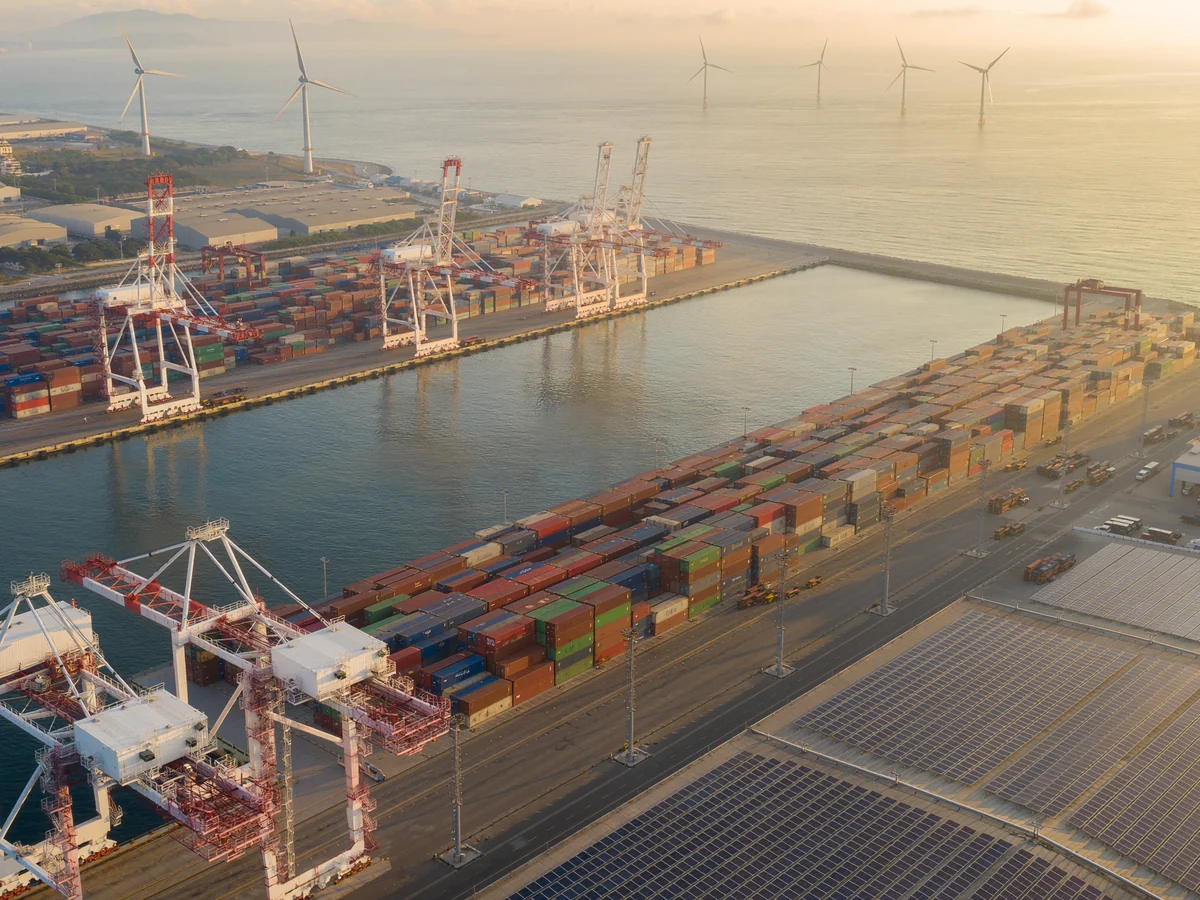
Connect with Local Supply & Partners
Confirm the roles of owners, developers, suppliers and buyers, organize the available resources, documents and decision-making contacts, and set up a shared way of working.
Handle Scheme Procedures & Delivery
Under the applicable scheme, coordinate registration, issuance applications, accounts, transfers, settlement or retirement. Where technical, legal, tax or verification matters are involved, work with the relevant specialists.
Follow Up After Handover
Organize delivery records and documents on rights and use, link them to the supplier's annual operations and the buyer's use and renewal needs, and keep the data needed for future transactions.

From First Project to Ongoing Partnership
From the first project
to lasting supply and partnership.
A new market needs to test whether buyers will adopt, whether local conditions can support delivery, and whether the arrangement can keep running. The scope of a first engagement can be designed around these open questions.
Find a Testable Application
Confirm who uses it, who buys it and who decides, place the technology or commodity in a concrete setting, and clarify adoption criteria, budget and timing.
Complete a First Project with a Clear Purpose
Agree on the pilot scope, each party's contribution and the results to observe, and use real execution to test assumptions about cost, demand and delivery.
Build a Lasting Partnership
Carry the data, specifications, supply and partner relationships built in the first project into annual arrangements, other sites or the next market.
Getting Started
Start from what you already have
and discuss what is worth pursuing next.
You can start with a commodity, a resource, a purchasing need or a development idea. Steinlux helps identify what still needs to be put in place and which part of the work is the right place to begin.
What You Have Now
Existing resources, commodities, technologies, partners and related data; conditions not yet confirmed can be raised too.
What You Want to Achieve
Developing a new project, finding supply or buyers, arranging a transaction, entering a market, or building a long-term partnership.
The Decision in Front of You
The next investment, a partnership negotiation, a delivery schedule, or validation that has to come first.
If you first need to sort out internal requirements, goals and solution choices, you can start with Corporate Climate & Energy Decisions.