

Strategic Line 03
Environmental Markets & Value Creation
Renewable energy assets, land and feedstock, abatement technologies and a company's climate vision can all be the starting point for a new business or a long-term partnership. Bringing together market demand, project development and brand action lets resources generate revenue and lets sustained investment build up environmental results, customer relationships and market position.

Value & Partnership Opportunities
New partnerships take shape when resources meet climate goals.
Companies want the right energy and abatement results, asset owners look for steady revenue, and brands hope to build climate action that matters to their customers. When these goals connect with the right resources, technologies and partners, there is an opportunity to develop commodity supply, project businesses and long-term programs.
Assets and resources looking for fuller use
Generating equipment, land, feedstock and existing facilities can go beyond in-house improvements to external supply or joint development. The direction depends on the resources themselves, and also on who needs the output and how they are willing to take part.
Brands and companies turning goals into action
Climate commitments, new venues and product plans can all lead to procurement, operational improvements or project partnerships. Companies need to choose actions they can sustain that relate to their business and their audience.
Technology providers and partners building market connections
Technology providers need sites to deploy in and buyers, and local partners may hold feedstock, customers or delivery resources. Through pilots, offtake and joint development, the parties can combine scattered capabilities into concrete partnerships.
Building Value Over Time
Brand and influence build up through action that keeps happening.
A single energy purchase or climate project can be the start of something long-term. When the investment carries into daily operations, the results can be understood and tracked, and customers and partners have a reason to take part, environmental action can gradually build brand recognition and market relationships.
Action becomes part of the business
Build the chosen theme into procurement, products, venues or services, and keep committing people and resources. Each investment builds on earlier results, gradually establishing a way of working that can be repeated.
Results give engagement a basis
Record actual improvements, partnership activities and participant feedback so that customers, employees and partners understand the part they play. Track environmental results, engagement and business performance separately, and adjust the program accordingly.
Lasting partnerships build market position
Reliable supply, continued engagement and jointly completed projects lay the groundwork for renewals, joint development and partnerships in new markets. How quickly this builds depends on the quality and continuity of the action, and should be reviewed against actual results.
A single site can combine energy supply, project development and brand action. The mix and order of these paths should depend on how mature the resources are, what the goals are and what can be committed.
Strategy 01
Ongoing Management of Assets & Environmental Results
Connect asset output with corporate demand to build lasting revenue and supply relationships.
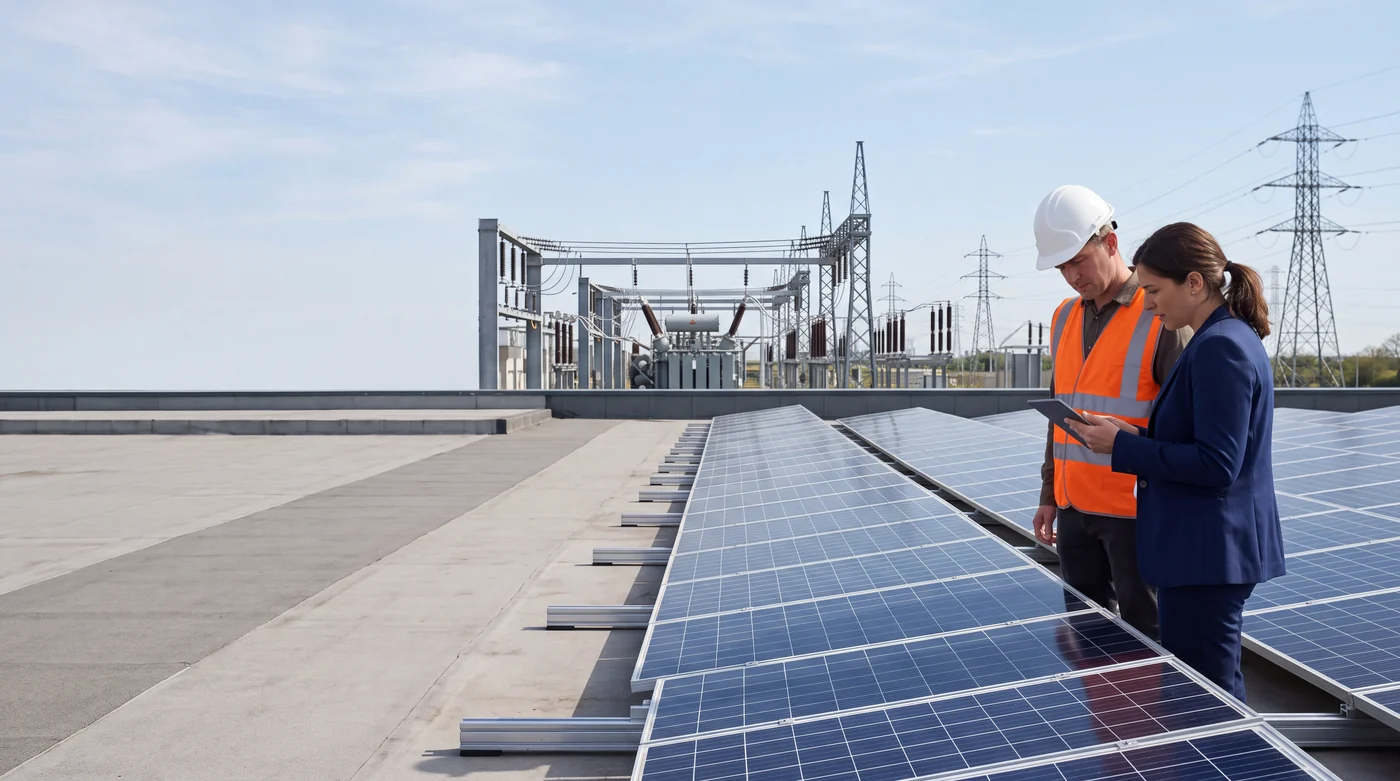
Renewable energy owners can weigh whether to keep, use or sell environmental attributes based on their own energy use, climate targets and market demand. Corporate buyers need to balance annual needs, source quality and long-term supply, choosing between one-off purchases, multi-year arrangements or project partnerships.
Steinlux connects asset owners and buyers, coordinates commodity assessment, procurement and annual management, and aligns each party's intended use, output and contract term. Asset management can also tie into brand or climate programs, so that revenue arrangements and actual contributions each rest on a clear basis.
Asset Side: Use & Revenue Arrangements
Compare the terms for keeping, selling or supplying through a partnership, and set up how output, inventory and buyer relationships are managed.
Demand Side: Procurement & Long-Term Partnerships
Arrange sources by site, target and intended use of the results, and assess the right mix of stable supply and annual adjustment.
Strategy 02
Developing Climate Projects and New Businesses from Resources and Technology
Partners who hold land, feedstock, facilities or technology can explore suitable development directions from what they already have. Steinlux coordinates technical and market assessments, compares demand and revenue conditions for products, energy and environmental results, and then brings together buyers, specialist teams and local partners to move pilots and development forward.
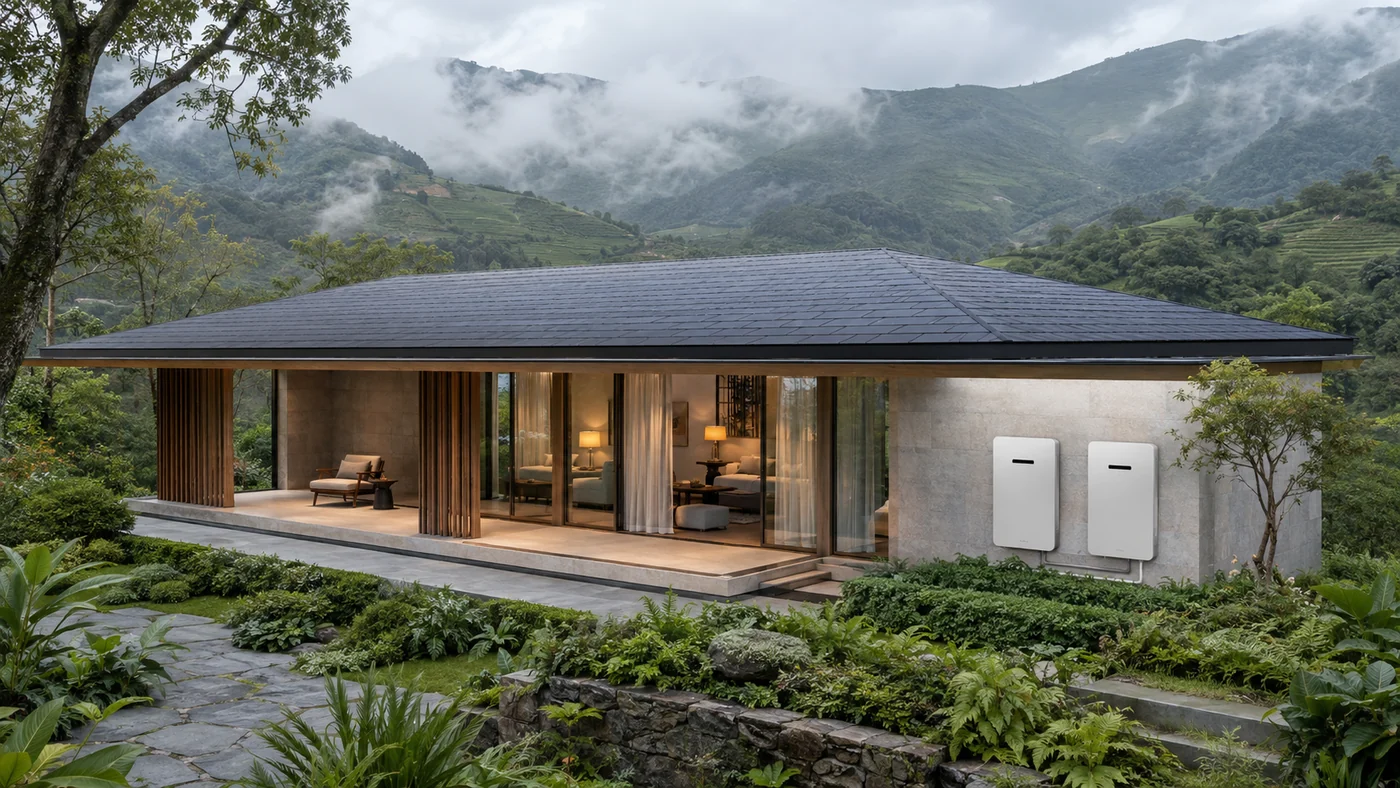
Resources find the right application
Starting from feedstock, sites and existing facilities, evaluate possible directions such as energy recovery, biochar and biomethane, and confirm technical, permitting and operating conditions.
Output finds lasting demand
Validate the use, buyers and revenue assumptions for products, energy and environmental results separately, and check whether the project as a whole can support development and ongoing operation.
Partners move development forward together
Structure pilots, phased development or joint development according to the level of uncertainty, and coordinate technology, capital and channel resources so that the results of each stage support the next investment.
Strategy 03
Climate Action & Long-Term Brand Development
Design actions, rooted in the company's positioning and vision, that are worth sustaining and that people can take part in.
When a brand plans a new venue, product or service, it can choose a climate theme related to its business at the same time. Steinlux helps connect operational improvements, energy procurement and external projects, and arranges partnership content, customer engagement and records of results, so that every investment feeds back into the relationships the brand wants to build.
A hotel, for example, can link on-site energy, local partnerships and the guest experience into one ongoing program, and a product brand can develop actions around materials, its supply chain and how the product is used. Where a program starts and how it grows should be checked against audience needs, actual resources and feedback from participants.
Strategy 04
Taking Solutions & Experience Across Markets
Connect commodities, technologies and project experience to specific demand in Asian markets.
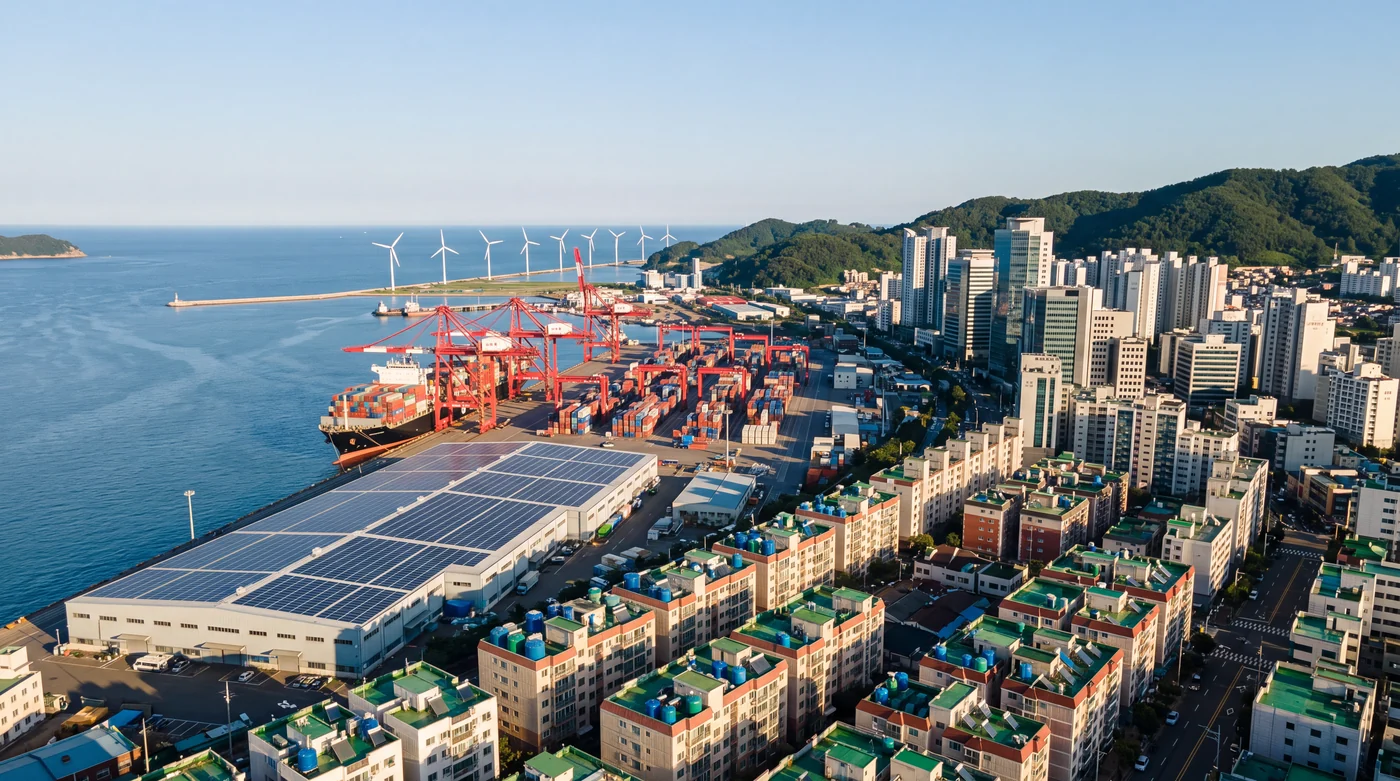
When a company with existing supply capacity or technical experience enters another market, it needs to reconfirm the use cases, customers' reasons to buy and how delivery will work locally. Partners who control channels, sites or networks can also start from their own resources and build new offerings together.
Steinlux helps validate demand, reach partners and resources, and plan the first project, linking technical and commercial arrangements to real use cases. Customer feedback, delivery data and partnership experience from the first project then become the basis for adjusting the offering and expanding into the market.
Market Demand & Local Partnerships
Identify the actual users, purchasing decisions and partner roles, and confirm the local conditions for the offering and the capacity to deliver.
First-Project Experience & Later Expansion
Test demand and delivery assumptions through a pilot or a first deal, then assess repeatable models, the division of roles among partners and the conditions for scaling up.
Development Scenarios & Strategy
Different starting points call for different development plans.
Existing assets can start with supply management, and undeveloped resources need their path assessed. Brand and cross-border partnerships need actions, audiences and market demand considered together.
Your assets are already operating. How do you manage their environmental revenue?
Compare self-use, external supply and outsourced management, and plan asset output, buyer demand and annual operations.
You have resources and technology. What kind of project suits them?
Check the conditions under which product and environmental revenue can work, and compare pilot, phased and joint development paths.
You have a brand vision. How do you choose actions you can sustain?
Connect operations, venues and audiences to choose climate themes, partnership models and real touchpoints for engagement.
You are preparing to enter a new market. How can the first project get started?
Identify buyer use cases, local partners and delivery conditions to shape market validation and first-phase partnership arrangements.
Project Partnerships & Delivery
Start concrete work from a specific asset, site or market.
Once the direction is clear, we can agree on the scope of assessment, management, program design or first-project work for the current stage, and connect it to the implementation that follows.
Asset Supply & Commodity Procurement
- Environmental Asset Registration & Trading Management
Assess issuance, supply and buyer terms for a specified project site.
- EAC Transactions & Settlement Management
Arrange issuance applications, inventory, transfers and annual records.
- Carbon Credit Procurement & Retirement
Review batches against a confirmed use, and arrange procurement and retirement documents.
- EKOenergy Ecolabel
Add the ecolabel to certificates, with Climate Fund contributions by volume.
Project Development & Partnerships
- Climate Project Commercial Viability Assessment
Compare revenue, cost and development conditions for a specified resource or solution.
- Environmental Commodity Transaction Terms & Delivery Design
Set out the commercial terms of a specific partnership for the parties to negotiate.
Brand & Venue Action
- Brand & Venue Climate Program Design
Plan action themes, partnerships, forms of engagement and records of results.
- Climate Claims & Disclosure Document Review
Check the claims, boundaries and evidence of results in specified content.
New Markets & First Projects
- Asian Market Validation & Feasibility Assessment
Validate demand and delivery conditions in the target market, and produce a first-project plan.
Environmental Markets & Value Creation
Turn your next idea into a concrete partnership.
Whether you have energy assets, land and feedstock or an abatement technology, or a brand program and climate vision still to be launched, you can start from the conditions you have and the value you want to build. Steinlux helps clarify the direction and brings together the right expertise and partners.