

Strategic Line 02
Energy & Scope 2
The energy a company uses affects supply reliability, operating costs and emissions all at once. Customer and group targets can also change where that energy comes from and how it is procured. Steinlux helps turn these requirements into energy arrangements that fit each site.
External Context & Needs
Energy decisions are shaped by operations, climate targets and local markets at the same time.
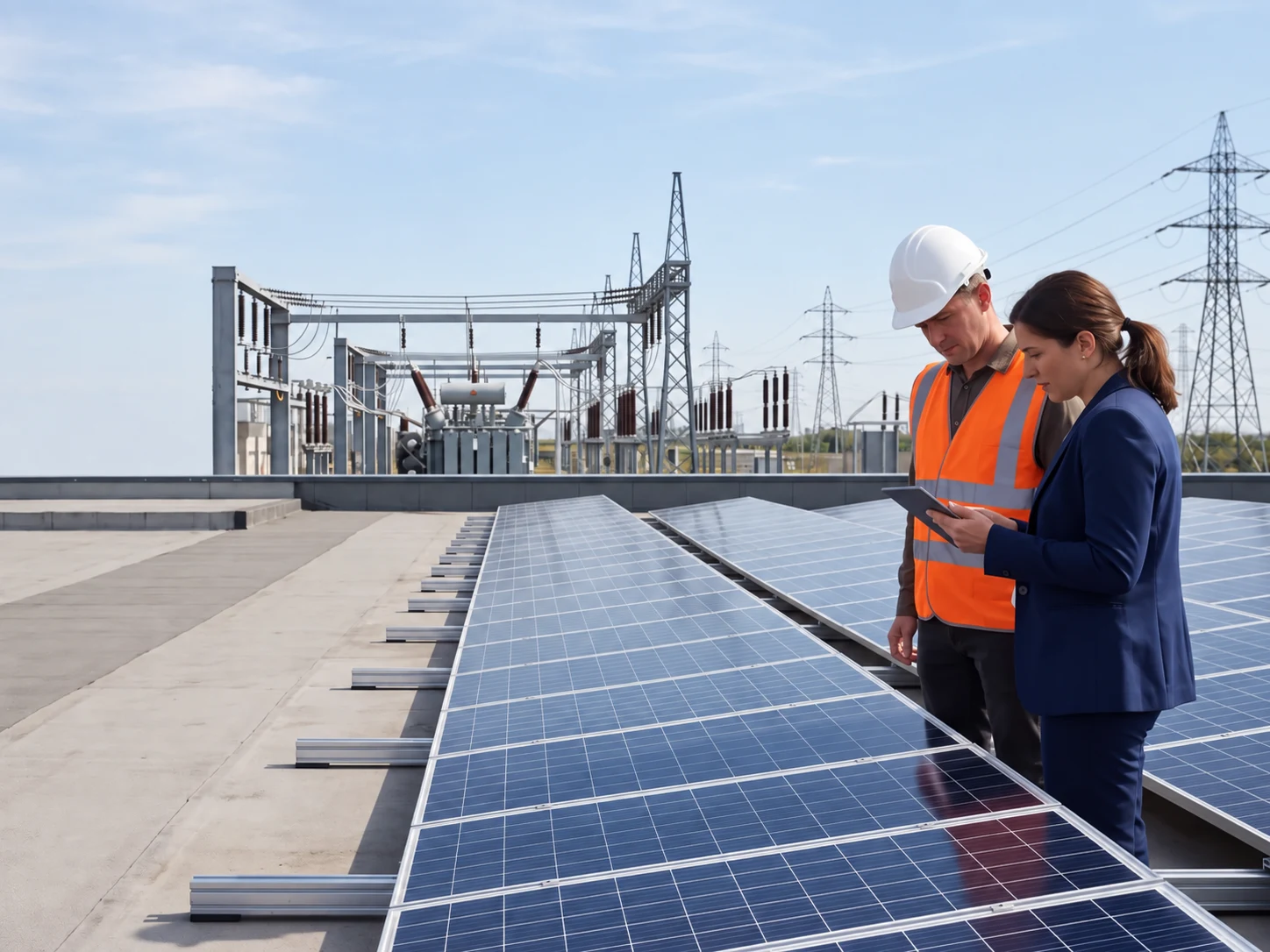
Factories, offices, hotels and resorts, and data centers each need different supply conditions, yet a parent group, a target-setting initiative or investors may expect the same emissions and renewable energy results from all of them. Scope 2 covers emissions from purchased electricity, steam, heat and cooling. Electricity is the usual starting point, and cost and emissions still have to be assessed separately.
Customers and parent companies: energy use has to answer to climate targets too
Brand procurement policies and group commitments can push requirements for renewable energy share, data quality and annual progress down to every site. Sustainability and procurement teams need to confirm which boundaries apply, then work with facilities and finance to arrange supply.
Local rules and suppliers: the available tools vary by location
The power market, the site and energy contracts determine which options are available, while accounting and initiative rules determine which evidence counts. Multinationals need to check each location and cannot simply apply one country's certificates or contracts to a site in another.
Operating and asset cycles: today's choices last for years
Expansions, equipment upgrades, and expiring leases or supply contracts can all trigger a new plan. Procurement terms, build timelines and annual targets need to line up, with room left to adjust when capacity or demand changes.
Business Impact & Timing
When requirements flow into budgets, contracts and asset cycles.
Because energy conditions differ from site to site, companies need to review annual targets and multi-year investments together.
Operating Cost & Reliability
Changes in output, shifts and equipment alter load and tariff structures. Supply, backup and power quality have to match what the site needs.
Procurement Commitments & Flexibility
Equipment, leases and supply contracts shape spending for years. Before signing, account for demand growth, relocation, load matching and regulatory change.
Annual Targets & Data Responsibility
Annual requirements from customers or the group have to be backed by each site's actual consumption, energy sources and evidence of use, so allow lead time in advance for planning, data collection and procurement.

Strategy Overview
Bring energy options, procurement and emissions into one decision.
Based on each site's demand and assets, we compare the cost, supply and emissions impact of energy efficiency, solar-plus-storage, PPAs and EACs. The work extends from investment and procurement to annual management, and also covers how attributes from your own renewable assets are used or sold.
Strategy 01
Energy Demand, Cost & Emissions Boundaries
Assess how much room each site has to change, based on energy costs, supply conditions and climate targets.
A factory may install on-site solar to lower long-term electricity spending, reduce its exposure to purchased power prices and meet emissions targets, all at once. We first gather load, tariff, site and contract data, then assess cost, supply and environmental attributes separately.
Lifecycle Cost & Actual Savings
Use LCOE (levelized cost of energy) to compare construction, O&M, output degradation and financing terms, then check self-consumption share, generation hours and tariffs to estimate how much of the power bill can actually be displaced and what the remaining purchased power will cost.
Energy Independence & Supply Resilience
Self-consumption can reduce part of the demand for purchased power. If supply has to continue during outages, storage, islanding capability and critical loads also need to be checked, along with the additional investment.
Emissions & Annual Targets
Confirm the boundaries and data for purchased electricity, steam, heat and cooling, manage energy use, emission factors and attribute ownership separately, and identify each site's gap to target.
Strategy 02
Energy Mix & Procurement Decisions
The equipment and renewable electricity quotes a company receives usually rest on different assumptions. We put consumption, prices, contract terms and financing on a common basis, then compare total electricity cost, cash flow, contractual obligations and progress toward targets to produce options management can choose from.

-
Improve Existing Electricity Use
Assess efficiency upgrades, load management and tariff optimization to understand the potential savings and the effect on operations.
-
Plan On-Site Solar & Storage
Weigh the site, generation-load matching, storage operation and investment terms to decide between building in-house or with a partner.
-
Arrange Renewable Electricity & Certificates
Compare market supply and demand, generation periods, certificate vintages, COD and other recognition criteria across wheeled renewable electricity and renewable electricity certificates, then balance long-term supply with year-to-year flexibility to meet targets.
Strategy 03
Implementation & Energy Attribute Management
Connect energy users' annual targets with renewable energy owners' attribute management and market arrangements.
Once a plan is set, Steinlux can coordinate procurement specifications, supplier comparison, contracts and delivery schedules, and track energy costs and annual results. Power supply and related performance under a PPA are carried out by approved partner suppliers.
EAC management serves both buyers and asset owners. Energy users need procurement, retirement and evidence for disclosure. Owners with on-site solar also need issuance applications, inventory management, and arrangements for sales and transfers. On both sides, ownership, intended use and records must first be checked for consistency.
Integrated Planning
Energy Planning & Ongoing Management
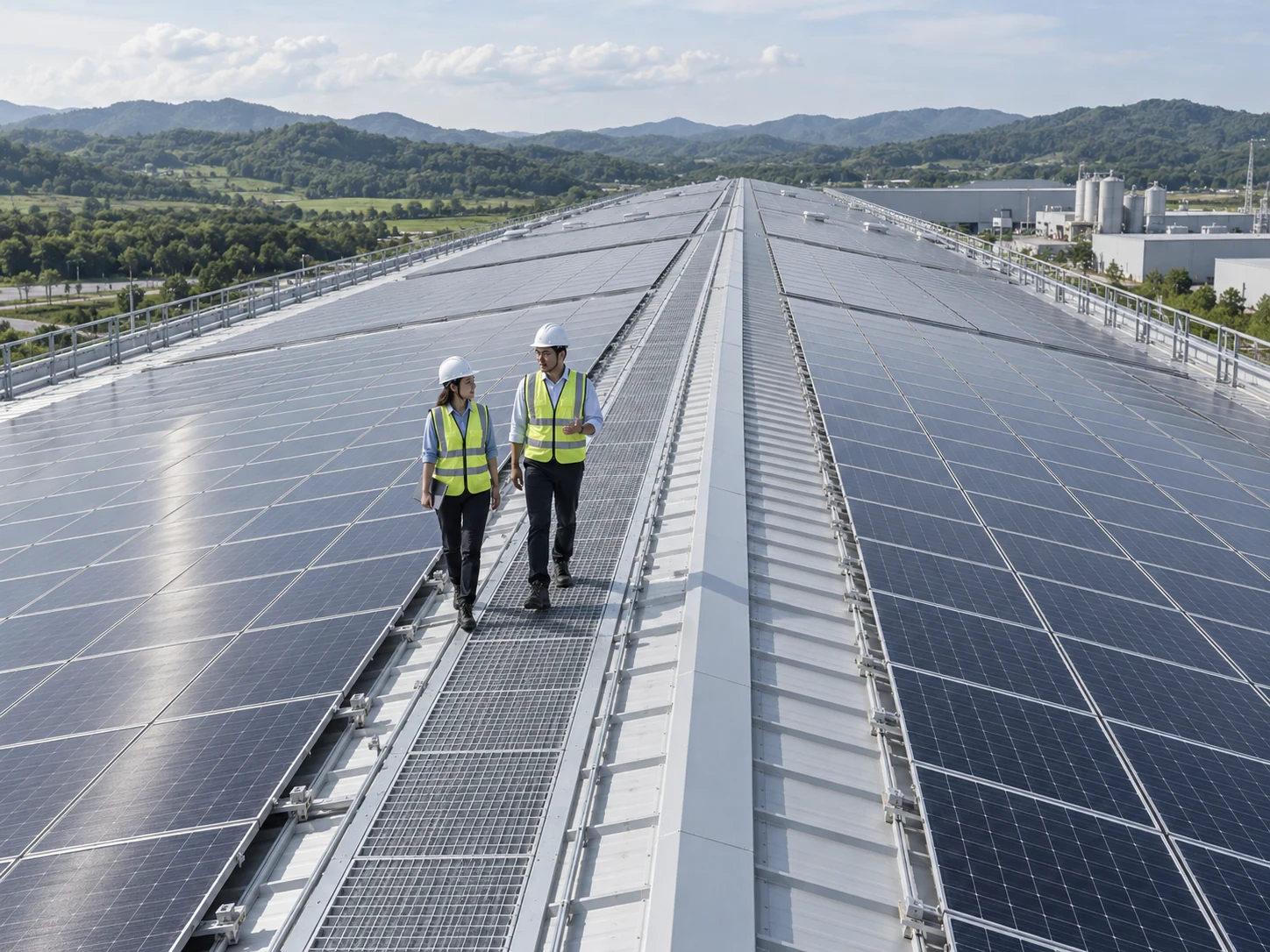
From improving electricity use and planning the long-term portfolio through to engineering, procurement and annual renewable energy management.
-
Energy Portfolio & Long-Term Cost Decisions
Compare the long-term cost, risk and sequencing of efficiency upgrades, solar PV, storage, PPAs and EACs to build a corporate energy portfolio.
-
Solar PV & Storage Planning
Plan the technical configuration, financial terms and execution interfaces of solar PV and storage systems based on the site, load, grid connection and operating conditions.
-
RE100 / CDP Pathways & Disclosure
A group's renewable energy commitments and customers' disclosure requests flow into each site's procurement and annual data. Joining an initiative, responding to customers and planning energy each have their own purpose and conditions, and these need to be kept distinct.
-
Annual EAC Management & Attribute Governance
Bring a company's annual certificate procurement together with renewable asset operations, managing issuance applications, inventory, sales, transfers, retirement and sustainability communications.
-
Environmental Commodity Selection & Cross-Border Implementation
Match consumption sites, intended use and reporting periods to the right EAC system, then connect procurement and use in each market.
Projects & Tools
Project Services & Further Resources

-
EAC Transactions & Settlement Management
Handle REC issuance applications, annual inventory, transfers, retirement and transaction settlement on behalf of clients, linking asset owners, buyers and registries.
-
Environmental Asset Registration & Trading Management
Help renewable energy asset owners assess certificate issuance, ownership, registration, annual volumes and buyer terms to build a supply-side route to market.
-
Corporate PPA (CPPA) Renewable Electricity Procurement
For defined consumption sites and procurement needs, compare suppliers, power and attribute terms, and coordinate power purchase agreements and delivery arrangements.
-
Annual Renewable Energy Data & Disclosure Preparation
For the agreed reporting year and framework, reconcile site consumption, renewable energy sources, certificates and disclosure data.
-
Energy Portfolio Comparison & Investment Appraisal
Using specified sites, loads and quotes, build cost and scenario comparisons across efficiency, solar-plus-storage, PPAs and EACs.
-
EKOenergy Ecolabel
Add the EKOenergy ecolabel to certificates, with power plants checked against sustainability criteria and a contribution per MWh to the Climate Fund.
-
T-REC Eligibility, Procurement & Usage Claims
For electricity use in Taiwan, confirm T-REC sources, transaction methods and the conditions for usage claims, and prepare procurement and delivery documents.
-
China GEC Eligibility, Procurement & Cancellation
For sites in China and a specified use, check GEC sources, transactions and cancellation records, and confirm the proof required.
-
I-REC(E) Eligibility, Procurement & Redemption
Based on the generation market and the company's electricity use, check I-REC(E) sources, eligibility conditions and beneficiary redemption statements.

Energy & Scope 2
Plan the right energy approach for your company's next stage.
Whether it is energy costs at a single site, multi-site procurement and Scope 2 management, or EAC issuance applications and sales for your own renewable energy assets, we can set up an engagement around the conditions you have today.