

Topics & Strategy · Energy & Scope 2
Energy Portfolio & Long-Term Cost Decisions
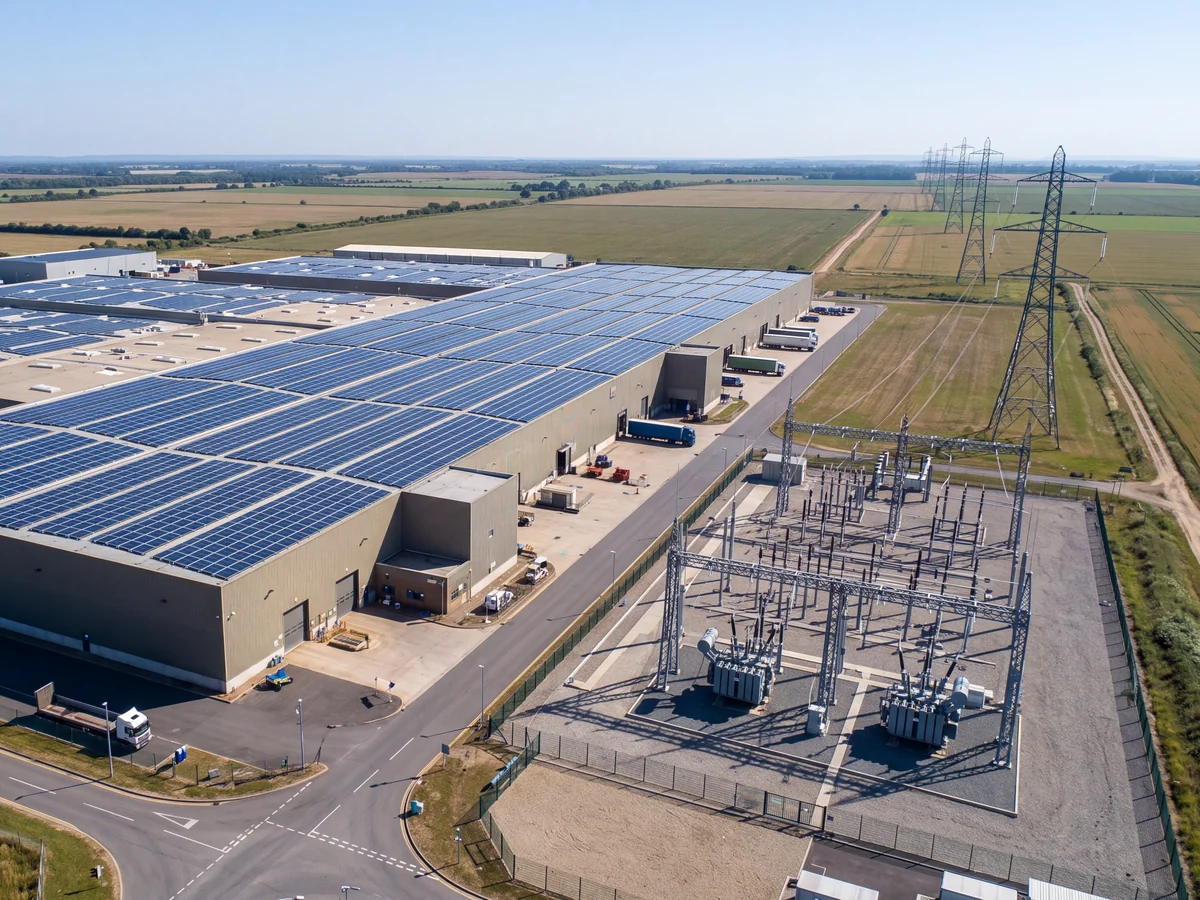
We bring efficiency improvements, solar PV, storage, power purchase agreements and certificates into a single comparison, and plan a long-term energy portfolio around the company's load, capital and targets.
Context & Requirements
Expansions, targets and expiring contracts mean energy options need to be compared together.
A multi-site company may receive engineering quotes, power supply proposals and annual certificate requirements all at once. Facilities teams think about supply and load, finance cares about capital and contractual obligations, and sustainability teams need to meet targets site by site and period by period.
When equipment is due for replacement or a lease or power purchase agreement is about to expire, a quote for a single option can't show how everything should fit together. The comparison has to account for locally available supply, long-term commitments and changes in demand.
Changes from Operations
Adjustments to capacity, shifts, sites or equipment change demand and investment conditions.
Targets from the Group and Customers
Target years and sourcing requirements feed into procurement and have to be checked against the options available in each location.
Commitments by Finance and Procurement
Before signing contracts and setting budgets, total cost, exit terms and adjustment terms need to be compared.
Strategic Choices
Reduce demand first, then arrange supply and commitments.
An energy portfolio has to hold up under three scenarios at once: normal operations, expansion and lower demand.
Energy Use Improvements & New Supply
Efficiency, scheduling and load adjustments change how much solar PV, storage and procurement is needed later. Clarify which demand can be reduced before deciding how much supply to lock in.
Long-Term Pricing & Flexibility
Self-built assets and long-term contracts require capital or multi-year commitments; annual procurement leaves room to adjust. Compare costs over the full term, and check what it would cost if demand falls, a plant relocates or a contract ends early.
Group Policy & Site Differences
Compare sites against shared budget, target and risk criteria. Electricity markets, energy sources and contracts are still arranged separately according to what is available in each location.
Scope of Engagement
Turn candidate portfolios into options management can choose from.
The decision model starts from the company's current electricity use and targets, and builds out cash flows, contractual obligations, execution requirements and environmental attribute impacts item by item.
Electricity Use & Cost Baseline
Compile load, contracted capacity, time-of-use tariffs, existing contracts and annual demand to set a starting point that allows comparison.
Consistent Assumptions Across Options
Align assumptions such as electricity prices, discount rates, equipment life, O&M, generation degradation, certificate prices and target timelines.
Portfolios & Sensitivity
Compare single options with blended portfolios, and see how results change when electricity prices, consumption, cost of capital and market prices move.
Sequencing & Decision Gates
Phase the work around capital constraints, execution timelines and the remaining emissions reduction gap, and define what needs to be confirmed at each phase.
Detailed engineering design, equipment procurement and formal electricity transactions are scoped separately once an option is selected.

Products & Projects
Specific work, scoped to confirmed needs.
Corporate PPA (CPPA) Renewable Electricity Procurement
For defined consumption sites and procurement needs, we compare suppliers, electricity and attribute terms, and coordinate power purchase agreements and delivery.
Energy Portfolio Comparison & Investment Appraisal
Based on specified sites, loads and quotes, we build cost and scenario comparisons of energy efficiency, solar-plus-storage, PPAs and EACs.
Energy Portfolio & Long-Term Cost
Put every energy option on the same basis for comparison.
We can start scoping the assessment from recent electricity bills, consumption data, existing quotes, site conditions and renewable energy targets.