

Topics & Strategy · Energy & Scope 2
Solar PV & Storage Planning
Starting from load and site conditions, we assess the purpose, capacity, investment model and rollout sequence for solar PV and storage.
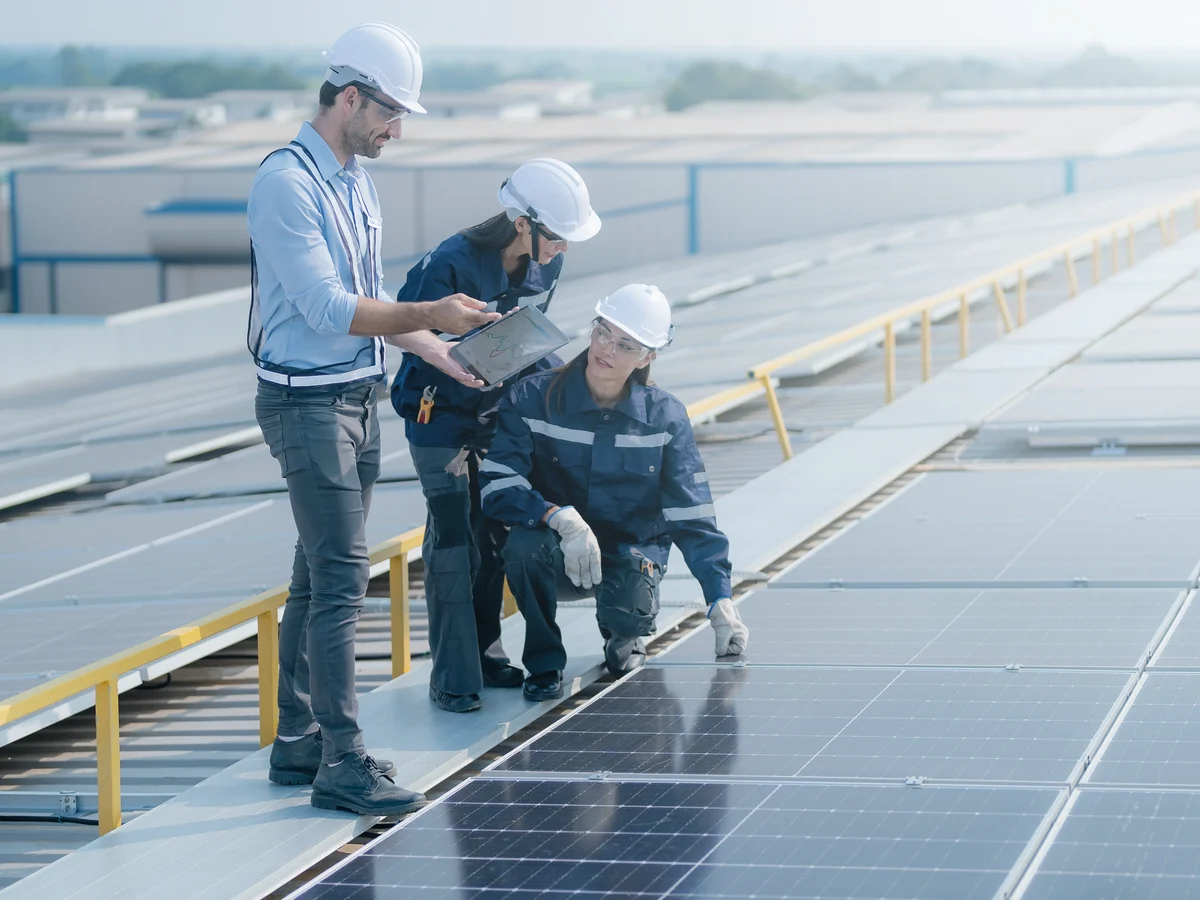
Context & Requirements
On the same site, the owner, the electricity user and the investor may want different things.
A manufacturer wants to improve its energy use, the site owner cares about the roof, the lease and how the asset is used, and investors and equipment suppliers need to confirm buildable capacity and revenue. Whether solar PV and storage are worth installing depends on whether these conditions can be made to work together.
Expansions, lease renewals and equipment upgrades are the moments to reassess. Local grid connection, fire safety, electricity tariffs and ownership arrangements all affect which options are feasible and how long they take.
Companies Using the Site
They look at whether load, energy supply and environmental attributes support operational goals.
Owners Holding the Asset
They need clarity on the usable period, restrictions on use, and engineering and O&M responsibilities.
Suppliers & Specialists
Design, grid connection and construction conditions need to be confirmed before any investment commitment.
Strategic Choices
Capacity, investment model and operating purpose need to be decided together.
The same equipment used for self-consumption, peak shaving or backup may call for different design conditions and revenue sources.
Start with What the System Needs to Solve
For solar PV, look at how generation overlaps with consumption; for storage, look at charge and discharge windows, efficiency and cycle degradation. Backup also requires checking islanded operation, switchover and critical loads. Battery capacity alone is not enough.
Build, Lease or Partner for Supply
Compare capital, electricity prices, O&M and warranty responsibilities, and what happens to the equipment when the lease ends. Include whether the environmental attributes are retained as part of each option.
Build at Once or in Phases
If structural, grid connection and operating conditions are not yet confirmed, start with surveys or a small-scale pilot. A phased plan needs to allow for expansion interfaces and the cost of repeat construction.
Scope of Engagement
Assess site constraints and commercial arrangements together.
In the planning phase, technical and commercial conditions are kept within a single scope, reducing the risk of repeated revisions once design, procurement and construction are underway.
Site & Grid Connection Conditions
Survey area, structure, shading, existing electrical equipment, feeders and grid connection limits, and identify the necessary preparatory work.
Generation & Storage Configuration
Compare capacity, charge and discharge strategies, and the match between generation and consumption, based on load, solar irradiance, tariffs and backup needs.
Financing & Ownership
Evaluate models such as self-investment, third-party investment, leasing or PPAs, and who holds the electricity and the environmental attributes.
Engineering Interfaces & Responsibilities
Define the boundaries of work for design, equipment, construction, grid connection, monitoring, O&M, warranties and contract performance management.
Statutory work such as structural safety, fire safety, electrical design and grid connection applications is carried out by appropriately qualified professionals.
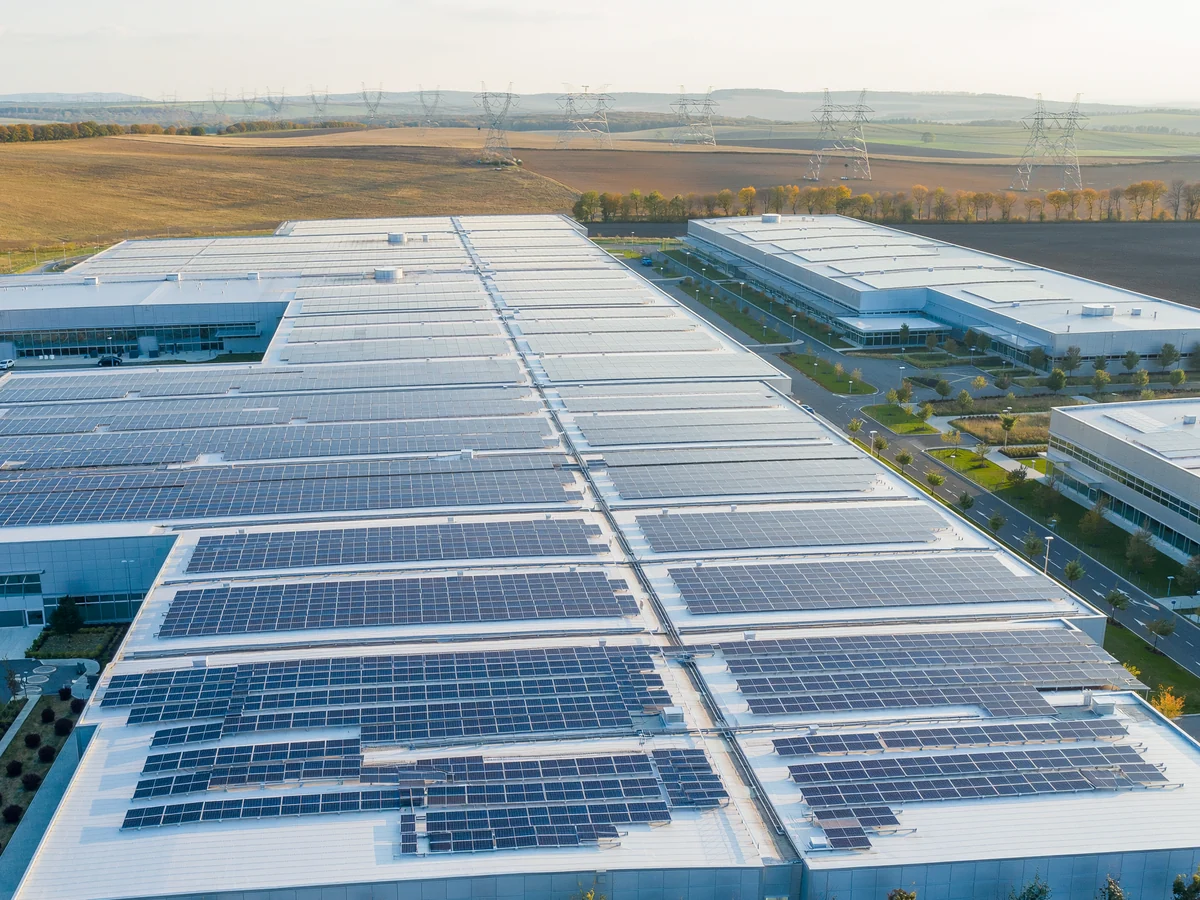
Products & Projects
Specific work, scoped to confirmed needs.
Corporate PPA (CPPA) Renewable Electricity Procurement
For defined consumption sites and procurement needs, we compare suppliers, electricity and attribute terms, and coordinate power purchase agreements and delivery.
Energy Portfolio Comparison & Investment Appraisal
Based on specified sites, loads and quotes, we build cost and scenario comparisons of energy efficiency, solar-plus-storage, PPAs and EACs.
Solar PV & Storage
Use site and consumption data to identify which options are worth designing further.
Share recent electricity bills, load data, site drawings, energy goals and details of existing equipment to set up a first-phase assessment.